September 20, 2026 • Kwame Osei-Bonsu • 11 min reading time • Prices verified June 18, 2026
Ring Alarm vs. SimpliSafe vs. eufy: Starter Kits Stress-Tested by Real Owners
A DIY home alarm system is exactly what it sounds like: a kit of sensors (small magnetic contacts that detect when doors or windows open), a central hub (the brain that receives signals from all the sensors), and usually a keypad or app — all designed so you can install it yourself without drilling holes or calling a technician. These systems have replaced the old model of signing a three-year contract with a security company and paying $60–$80 a month before you’ve even chosen a monitoring plan. Ring, SimpliSafe, and eufy are three of the loudest names in this self-install category, and they’re often the first three tabs open when someone is shopping for their first system. This article digs into what owners actually report after living with each one — not the marketing copy, but the patterns that show up after months of real use — so you can walk into this decision with your eyes open.
If you’re past the “what is a starter kit” stage and trying to decide which one fits your lease, your landlord’s rules, your WiFi setup, or your tolerance for monthly fees, this is the comparison you’ve been looking for.
Setup Experience: Where the Real Surprises Are
The number-one thing that separates these three systems in owner reviews isn’t the sensor count or the hub design — it’s how the first hour goes.
Ring Alarm Starter Kits
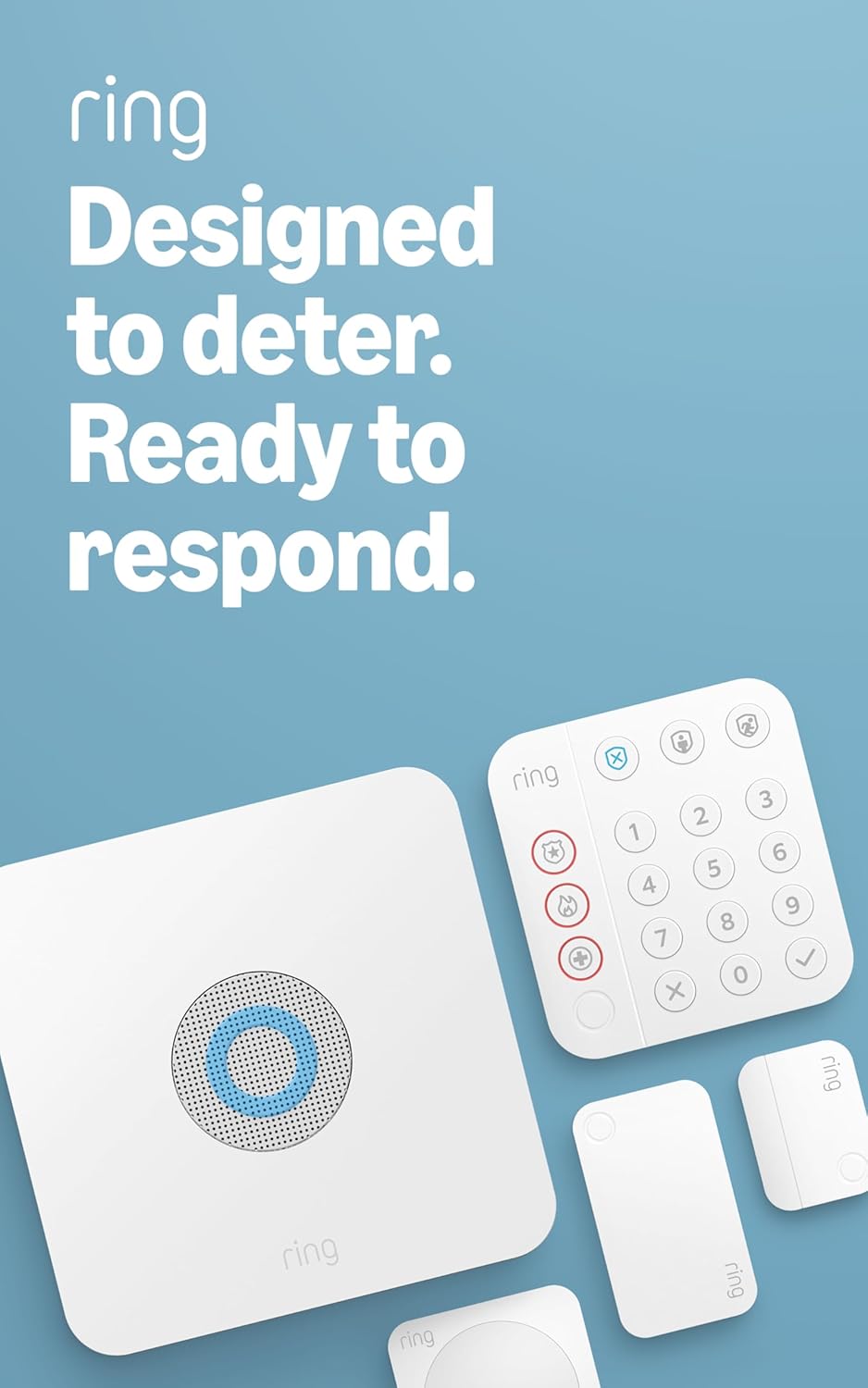
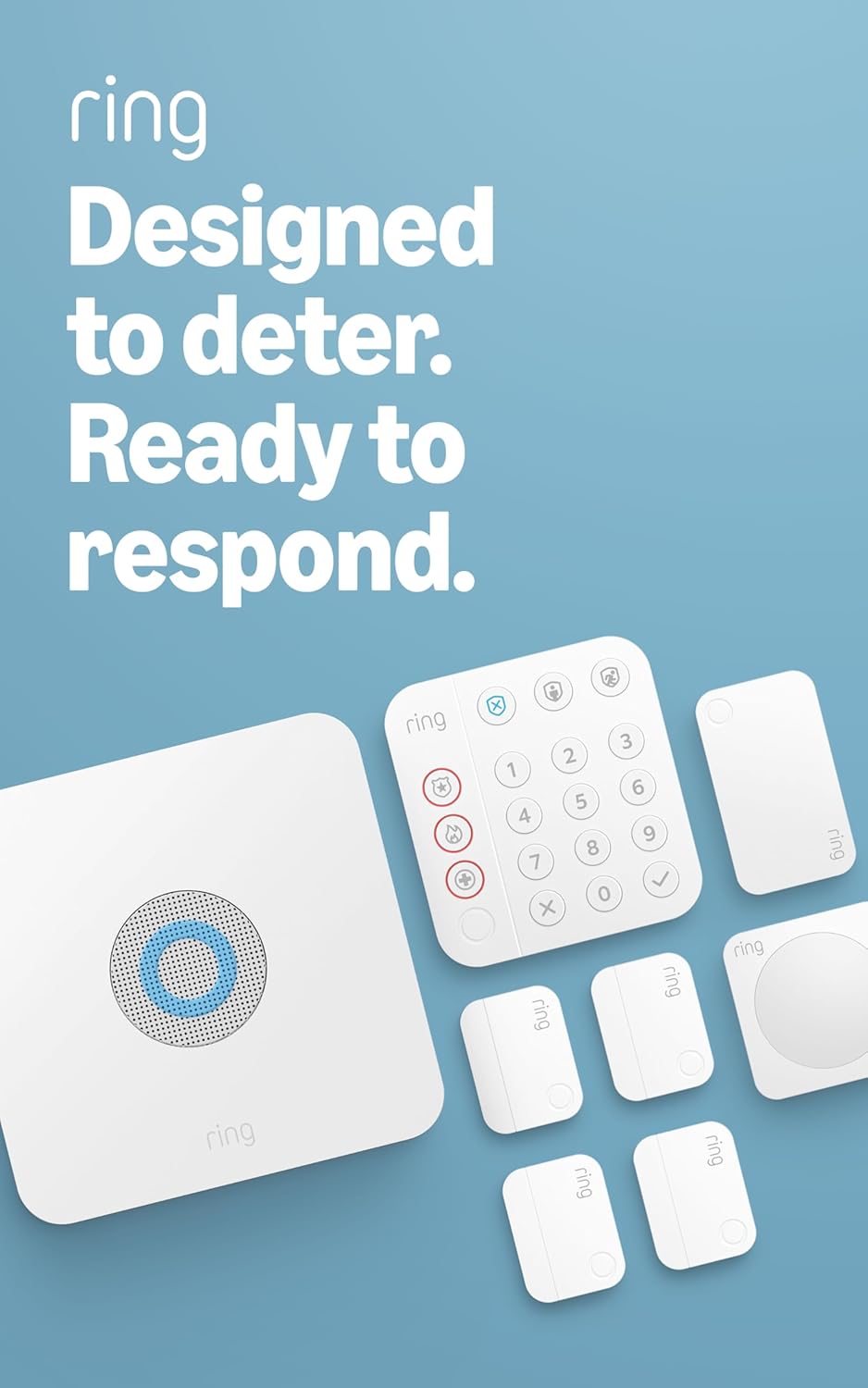
Ring’s 5-piece and 8-piece kits consistently generate some of the most enthusiastic unboxing language in the home security category. Owners across aggregated reviews compiled by PCMag (“The Best Home Security Systems for 2026”) and SafeWise (“Best Home Security Systems of 2026”) describe the system as “running before I finished reading the instructions.” The hub, keypad, contact sensors, and motion detector arrive pre-paired to each other out of the box, so the app setup is genuinely just scanning a QR code and naming your zones. Ring’s ecosystem familiarity — many buyers already own a Ring Video Doorbell — gives it an additional head start. The same app, the same account, and a Modes system that lets you schedule automatic arming at 10 p.m. and disarming at 7 a.m. Long-term Ring owners in multi-year reviews specifically name auto-arm scheduling as a feature they rely on daily, not as a novelty.
The lock-in implication is real: the deeper you build into Ring, the more friction there is in switching. Ring cameras use Ring’s cloud storage exclusively; local storage is not an option without third-party workarounds, which PCMag’s home security coverage flags as a meaningful privacy consideration for buyers who prefer to keep footage on-site.
Ring
$149.99
In stock on Amazon
Check price on AmazonSimpliSafe Starter Kits
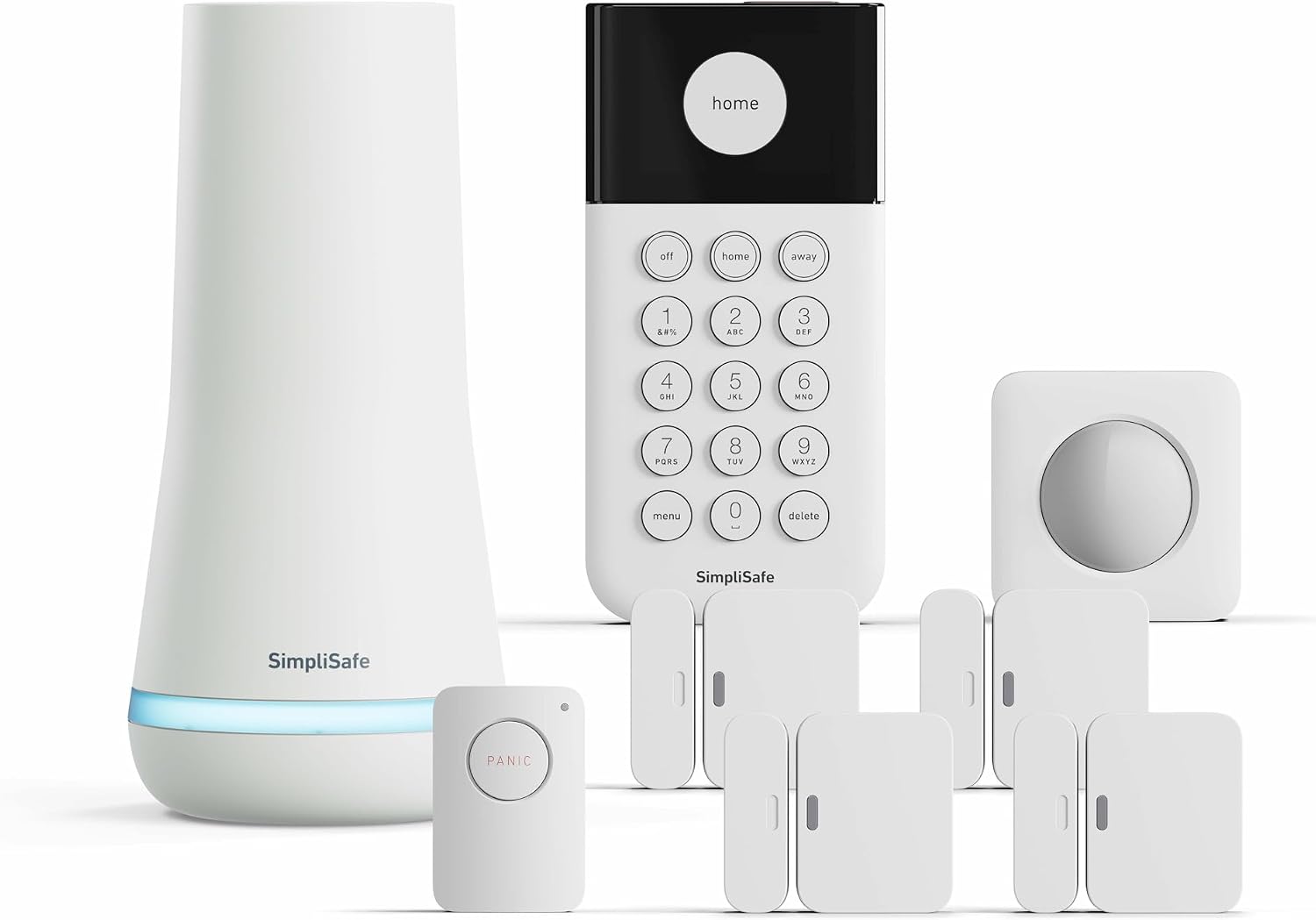
SimpliSafe targets a slightly different buyer with its setup pitch, and the owner data backs it up. Self-described non-technical buyers report 10-minute installs in reviews aggregated by CNET (“SimpliSafe Home Security Review 2026”) and Security.org (“Home Security System Statistics and Ownership Data 2025”). A recurring pattern in the review pool: many SimpliSafe buyers are switching away from professionally installed systems — reviewers cite monthly bills of $74 or higher from prior providers as the breaking point. The peel-and-stick mounting and automatic sensor registration (sensors pair to the base station without a separate pairing step) make the transition feel like a relief rather than a project.
The tradeoff is that SimpliSafe’s ecosystem is more closed. You’re working within their hardware family, and the app, while clean, doesn’t integrate as naturally into broader smart-home setups as Ring does. What SimpliSafe offers instead is deliberate simplicity: the system does fewer things but does them reliably. For buyers whose primary goal is “alarm goes off, someone gets notified, false alarms are minimized,” SimpliSafe’s architecture is well-matched to the use case.
Ring
$149.99
In stock on Amazon
Check price on Amazoneufy Security Starter Kits
eufy occupies a genuinely different lane. The system is designed with renters explicitly in mind — tape-mount sensors, no drilling, no wall anchors. Owners in apartment-focused coverage from TechRadar (“Best Home Security Systems”) and Apartment Therapy rate the physical installation as the easiest of the three. The friction shows up later. Reviewers managing multiple entry points report that the system’s sensor configuration options are less granular than Ring’s or SimpliSafe’s, which becomes a real operational gap for anyone managing a multi-door property or a short-term rental with a garage entrance, a back gate, and a lockbox entry point.
The alarm volume is a consistent owner complaint: eufy’s integrated siren is described as audible within the unit but not neighbor-alerting, and there is currently no external add-on siren available in the eufy ecosystem to supplement it. For a single-tenant apartment with one front door and a neighbor sharing a wall, the lower volume ceiling may be acceptable. For a detached home where exterior alarm sound is part of the deterrence strategy, it is not.
Ring
$119.99
In stock on Amazon
Check price on AmazonSubscription Math and Monitoring Options
This is where the “starter kit” framing can mislead buyers. The hardware price is the entry point, not the total cost.
Monthly monitoring costs (as of mid-2026):
| System | No-fee tier | Mid tier | Top tier |
|---|---|---|---|
| Ring | Self-monitor, app alerts only | $10/mo (Basic, one device) | $20/mo (Plus, whole home + 24/7 pro monitoring) |
| SimpliSafe | Self-monitor, limited features | $20/mo (Standard) | $30/mo (Fast Protect, live video verification) |
| eufy | Full local alarm function, $0/mo | No paid tier required | No paid tier required |
Over 36 months, a Ring Protect Plus subscriber pays roughly $720 in monitoring fees on top of kit hardware. SimpliSafe’s Fast Protect plan runs $1,080 over the same window. eufy’s $0 subscription model is genuinely $0 — the hub stores event data locally and the app functions without a cloud account for basic arming and alerting, as TechRadar’s eufy system coverage confirms.
The catch, as Security.org’s home security ownership research notes, is that subscription-free systems place the entire response burden on the homeowner. Professional monitoring means a live agent calls you and can dispatch police or fire. Self-monitoring means your phone buzzes. The more important question for any self-monitor buyer is: what happens when the notification arrives at 2 a.m. and you’re traveling?
SimpliSafe’s Fast Protect tier — which includes live video verification before dispatching emergency services — has become a meaningful differentiator as false alarm fees from municipalities have increased. CNET’s SimpliSafe review highlights this as a genuine cost-avoidance feature for buyers in cities with strict false alarm ordinances, where a single dispatched false alarm can carry a fine of $100 or more.
Ecosystem Depth, Lock-In, and Long-Term Tradeoffs
Starter kits are named honestly: they’re starting points. The question that separates casual buyers from security-architecture thinkers is what happens in year two or three when you want to add a camera, a smart lock, or coverage for a second property.
Ring: Deepest Ecosystem, Highest Lock-In
Ring Alarm integrates natively with Ring cameras, Ring Video Doorbells, Amazon Echo devices (which can announce alarm status and act as secondary keypads), and Alexa routines. The Modes system — Home, Away, Disarmed — syncs across all Ring devices, so a single tap arms the camera, the alarm, and can trigger a porch light routine simultaneously. Tom’s Guide’s Ring Alarm Pro review specifically highlights this cross-device coordination as Ring’s strongest differentiator against standalone alarm systems. The ecosystem ambition is real, and so is the dependency it creates — switching away from Ring in year three means replacing not just the alarm hub but potentially cameras, doorbells, and smart-home automations built around Alexa Modes.
SimpliSafe
$239.99
In stock on Amazon
Check price on AmazonSimpliSafe: Narrower Ecosystem, Stronger Reliability Record
SimpliSafe has expanded its camera lineup and added compatibility with select smart locks from major manufacturers, but the ecosystem remains narrower than Ring’s. The professional monitoring infrastructure is where SimpliSafe’s reliability record is strongest. Security.org’s home security research consistently ranks SimpliSafe among the top performers for monitoring response time and false-alarm handling — a track record that matters more than ecosystem breadth for buyers whose primary concern is “will someone respond when it counts.”
Ring
$149.99
In stock on Amazon
Check price on Amazoneufy: Smallest Ecosystem, Best Privacy Architecture
eufy has the smallest ecosystem footprint of the three, which is simultaneously its best privacy feature and its biggest growth limiter. The hub stores data locally. No video or alarm event data leaves the home unless the owner configures it to. For privacy-forward buyers — or for landlords operating properties in jurisdictions with tenant privacy sensitivities around security cameras — this architecture is genuinely valuable. The growth ceiling is equally real: eufy’s alarm system does not integrate with third-party smart-home platforms as fluidly as Ring, the add-on sensor selection is narrower, and the absence of any cellular backup option means the system goes offline if the home’s internet connection fails. There is no workaround for this within the eufy product line.
Ring
$119.99
In stock on Amazon
Check price on AmazonFrequently Asked Questions
Can I use these systems without a monthly subscription? Yes, with different feature sets at each tier. Ring Alarm works without a subscription — you receive app notifications and local alarm function, but no professional monitoring and no video history beyond live view. SimpliSafe works subscription-free for basic arming and app alerts, but camera recording, alarm event history, and professional monitoring all require a paid plan. eufy works fully without a subscription for all core alarm functions, with local storage included in the hub hardware at no added cost.
How loud is the alarm — loud enough to alert neighbors? Ring’s base station is rated at 104 dB by the manufacturer — comparable to a chainsaw at close range, audible through walls in most residential construction. SimpliSafe’s base station siren is rated at 95 dB. eufy’s integrated alarm is where owners express the most consistent disappointment: reviewers across TechRadar’s coverage describe it as audible within the unit but not a neighbor-alerting volume, and there is no external siren accessory available in the eufy ecosystem to supplement it.
Can I add more sensors after the initial purchase? All three systems sell individual sensors separately. Ring and SimpliSafe have the deepest add-on catalogs — contact sensors, motion detectors, glass break sensors, flood sensors, freeze sensors, and panic buttons are available for both. eufy’s add-on selection is narrower, with contact sensors and motion detectors as the primary options.
Does Ring’s self-monitoring actually notify my phone fast enough to matter? Based on owner reports aggregated by SafeWise (“Best Home Security Systems of 2026”) and PCMag (“The Best Home Security Systems for 2026”), Ring push notifications typically arrive within 5–15 seconds of a trigger event on a standard broadband connection. Whether that’s “fast enough” depends on your response plan. A notification that arrives in 10 seconds while you’re asleep with your phone on silent is not functionally different from one that arrives in 60 seconds. Professional monitoring is faster and more reliable for actual emergency dispatch, but Ring’s self-monitoring notification speed is competitive with other app-based systems in the category.
Is the eufy kit genuinely renter-safe with no wall damage? For sensors and the base station, yes — tape-mount installation is the standard method and owners report clean removal without paint damage when using the included adhesive strips. The hub itself plugs into a standard outlet. The eufy camera line, if you expand beyond the alarm system, has more varied mounting requirements, so review individual product specifications before assuming all eufy hardware is tape-mount compatible.
Which system works if my WiFi goes down? This is a meaningful differentiation point. Ring Alarm Pro includes a built-in eero Wi-Fi router and an optional cellular backup subscription, making it the most resilient of the three in a network outage, as Tom’s Guide’s Ring Alarm Pro review documents. Standard Ring Alarm (non-Pro) requires Wi-Fi and goes offline without it unless a cellular backup plan is added separately. SimpliSafe’s base station includes cellular backup built into certain monitoring tiers, which is one reason Security.org’s home security research consistently ranks it highly for reliability in infrastructure-failure scenarios. eufy’s system depends on Wi-Fi with no cellular backup option — the most significant infrastructure limitation of the three for buyers in areas with unreliable internet service.
The Decision Frame
If your situation matches one of these profiles, the choice becomes relatively clear:
Ring is the logical choice if you’re building into an Amazon/Alexa smart-home environment and want scheduling, routines, and camera integration managed in a single app. Accept the subscription cost and cloud dependency as the price of that integration depth.
SimpliSafe is purpose-built for buyers switching from a professionally monitored system who want reliability without a long-term contract. The Fast Protect plan is worth the cost if you’re in a municipality that penalizes false alarm dispatches — the live video verification step before dispatch is a genuine cost-avoidance feature, not a marketing add-on.
eufy is the right call if you’re renting, if you’re privacy-forward, or if you’re managing a property where camera data leaving the building is a legal or ethical concern. Go in knowing the alarm volume limitation and the absence of a siren add-on; build your monitoring strategy around those constraints from the start.
The starter kit is never just a starter kit — it’s the first decision in a multi-year security architecture. The most expensive mistake in this category isn’t buying the wrong brand on day one; it’s buying the right brand for a different person’s use case and discovering the mismatch in year two when you’re already invested in sensors, cameras, and automations that don’t transfer.