September 27, 2026 • Kwame Osei-Bonsu • 11 min reading time • Prices verified June 18, 2026
Ring vs. SimpliSafe vs. eufy Alarm Kits: What Owners Actually Experience After Setup
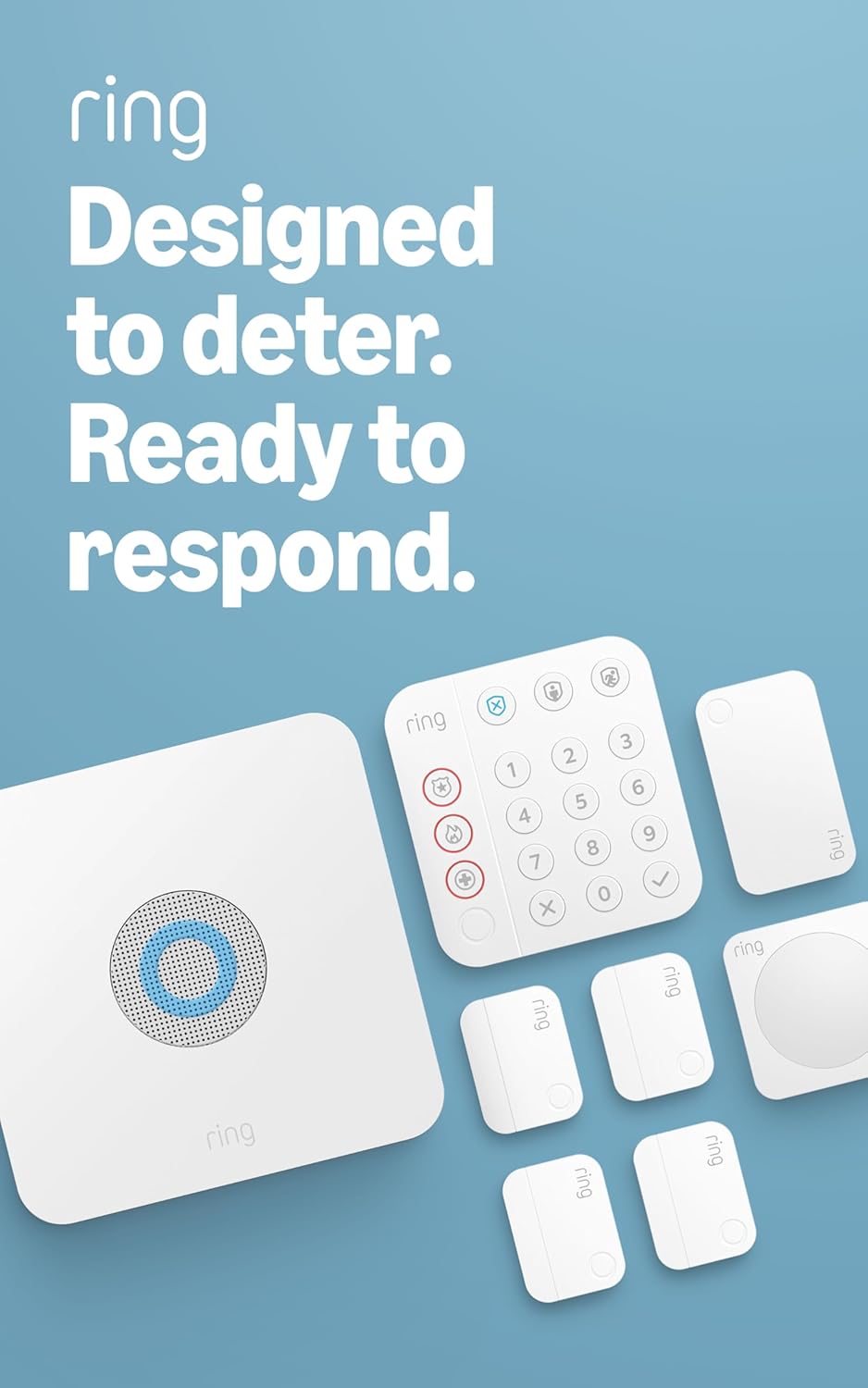
If you’ve just signed a lease, closed on a house, or added a rental property to your portfolio, shopping for an alarm kit can feel overwhelming fast. At its simplest, a home alarm kit is a box of sensors — door and window contacts, a motion detector, a siren, and a central hub — that talks to your phone and alerts you (or a monitoring service) if something trips. No drilling holes for hardwired cables, no electrician, no monthly subscription required to get the basics running. What separates a good kit from a frustrating one usually doesn’t show up on the product page. It shows up six months after installation: the automation routine that keeps working, the siren that actually wakes the neighbors, the ecosystem feature that turns out to be half-baked. This article pulls from aggregated owner reviews, published editorial evaluations from PCMag, SafeWise, Tom’s Guide, CNET, and Security.org, and manufacturer spec data to give you a clear-eyed picture of what Ring Alarm, SimpliSafe, and eufy Security Alarm Kit owners actually report living with these systems day-to-day.
The Setup Experience: Where Each System Earns or Loses Trust Early
First impressions matter in security — not because setup is the hard part, but because a rough install correlates strongly with a system you eventually stop using.
Ring Alarm: Pre-Synced and Routine-Ready
Ring Alarm owners consistently report that pre-synced sensors are the standout feature out of the box. Because Ring pre-pairs every sensor to the base station before it ships, you’re not hunting through device menus to add each contact sensor manually. PCMag’s Ring Alarm Pro Review notes that this meaningfully compresses setup time for larger kits. For a 14-piece system covering a well-sized house, that’s not a small quality-of-life difference.
Long-term Ring owners — the four-year-plus cohort that appears repeatedly in editorial roundups — specifically highlight automated arm and disarm routines as a lasting win. The system can arm itself when the last household member leaves via geofencing and disarm when someone returns, without touching a keypad. That’s a feature you don’t fully appreciate until you’ve been locked out of your own alarm at 11pm carrying groceries.
Ring
$149.99
In stock on Amazon
Check price on AmazonSimpliSafe: The Fastest Path from Box to Armed
SimpliSafe has built an almost legendary reputation for out-of-box speed. SafeWise’s SimpliSafe Review and PCMag’s SimpliSafe Wireless Home Security System Review both document setup times under ten minutes for standard kits, and owner accounts back this up consistently. The most striking real-world data point: multiple reviewers recount completing a SimpliSafe install the same day a break-in or break attempt occurred at their home. That’s not a marketing claim — it’s a pattern in owner accounts that speaks to how intuitive the physical installation is. Peel, stick, and you’re largely done.
Ring
$119.99
In stock on Amazon
Check price on Amazoneufy Alarm: Ecosystem Entry Point
eufy’s alarm kit draws consistently positive reviews from existing eufy camera owners for an obvious reason: it drops into the eufy Security app alongside cameras, video doorbells, and smart locks without requiring a separate hub download or account. For someone already in the eufy ecosystem, that’s genuinely useful consolidation. Tom’s Guide’s eufy Security Alarm Kit Review notes this crossover appeal directly. For buyers without existing eufy hardware, the value proposition is thinner, and owners starting fresh report a steeper learning curve than either Ring or SimpliSafe.
Ring
$119.99
In stock on Amazon
Check price on AmazonLong-Term Ownership: Bugs, Wins, and Hidden Costs
Ring Alarm: The Tamper Mode Bug Is Real
Here’s a specific warning worth flagging because it doesn’t surface in most buying guides: Ring contact sensor buyers who purchase multi-packs for use in homes they didn’t originally set up — particularly buyers of pre-owned homes or landlords retrofitting rental units — report a recurring tamper-mode bug. The sensors ship with tamper protection enabled, and in some configurations, particularly when sensors were previously paired to a different Ring account, the tamper alerts loop or fail to clear properly. This isn’t universal, but it’s common enough across aggregated editorial coverage that if you’re buying a multi-pack of Ring contact sensors for a house you didn’t configure from scratch, budget time for a Ring support call. CNET’s Best Home Security Systems coverage cites Ring’s app complexity as a recurring theme across reviewer experiences; the tamper bug is one specific manifestation of that complexity at scale.
The flip side: for owners who set up Ring from day one and stay in the ecosystem, the long-term experience is strong. The Ring app’s integration with Ring cameras — video doorbells, indoor and outdoor cameras — is genuinely seamless. One app, one event timeline, shared motion zones. That matters when you’re reviewing a 2am alert and want to see the camera clip alongside the sensor trigger that caused it.
Ring
$149.99
In stock on Amazon
Check price on AmazonSimpliSafe: The Siren Is a Legitimately Competitive Differentiator
Across every major editorial evaluation — SafeWise’s SimpliSafe Review, PCMag’s SimpliSafe Wireless Home Security System Review, and Security.org’s Home Security System Statistics and Research — SimpliSafe’s alarm siren volume is flagged as exceptional. The base station siren is manufacturer-rated at 95 dB, and owners confirm that figure holds up in practice: it wakes sleeping household members, carries through exterior walls, and is audible from adjoining units in apartment settings. For renters and condo owners who want deterrent value without professional monitoring, that raw decibel output is meaningful on its own.
SimpliSafe also handles professional monitoring pricing more transparently than Ring. The Standard plan (basic professional monitoring, no video verification) and the Interactive plan (which adds remote arm and disarm plus camera integration) are clearly tiered, and — importantly — the system remains fully functional without any monitoring plan. You lose dispatch capability, but the local siren, app alerts, and sensor logic all work without a subscription.
Ring
$119.99
In stock on Amazon
Check price on Amazoneufy Alarm: Ecosystem Promise, Ecosystem Gaps
eufy’s alarm kit reviewers are, on balance, positive — but with a consistent ceiling driven by two specific complaints. First: alarm volume. Multiple owners across Tom’s Guide’s eufy Security Alarm Kit Review and aggregated buyer accounts describe the siren as insufficient for larger homes. Unlike SimpliSafe, there is currently no add-on external siren available for the eufy system. If the built-in volume doesn’t work for your space, your options are limited.
Second, and more significant for buyers considering eufy’s full product lineup: the ecosystem integration is shallower than marketing implies. The eufy smart lock lineup — a frequently cross-shopped product for eufy alarm buyers — currently lacks the ability to tie individual lock alarm events to the eufy security hub in a unified way. In practice, a tamper alert on your smart lock and an alarm trigger from your door contact sensor live in different parts of the app, with no unified event logic between them. For a system that positions itself on ecosystem convergence, that’s a meaningful gap. Buyers building a whole-home eufy stack should verify current integration status before committing.
Ring
$119.99
In stock on Amazon
Check price on AmazonSide-by-Side Comparison: Siren Volume, Monitoring, and Ecosystem Fit
| System | Siren (rated) | No-monitoring functionality | Base monitoring (monthly, 2026 est.) | Ecosystem |
|---|---|---|---|---|
| Ring Alarm | 104 dB | Full local siren; no pro dispatch | ~$10 (Ring Protect Plus) | Amazon/Alexa/Ring cameras |
| SimpliSafe | 95 dB | Full local siren; app alerts | ~$18 (Standard plan) | Standalone; limited third-party |
| eufy Alarm | ~85 dB (est.) | Full local siren; app alerts | None available | eufy cameras, locks (partial) |
Sources: manufacturer spec sheets; PCMag Ring Alarm Pro Review; SafeWise SimpliSafe Review. eufy siren dB is an editorial estimate based on owner accounts — eufy does not publish a rated figure.
Ring
$119.99
In stock on Amazon
Check price on AmazonEcosystem Lock-In and the 3-Year Cost Reality
This is where intermediate buyers need to slow down and run the math before committing.
Ring Alarm’s value is highest if you’re already invested in Amazon’s ecosystem — Alexa routines, Echo devices as secondary announcement speakers, Ring cameras for video context. The monitoring subscription is the lowest cost of the three at the base tier, but Ring Protect Plus is a per-location fee that adds up across multiple properties. Landlords managing two or three units should model the total before assuming Ring is the economical choice at scale.
SimpliSafe’s monitoring is priced higher per month but includes professional dispatch at the Standard tier. Over 36 months, the delta between Ring and SimpliSafe monitoring is roughly $288 — meaningful, but not decisive if dispatch response matters to your use case. SimpliSafe also has a strong track record of honoring legacy equipment compatibility. Security.org’s Home Security System Statistics and Research notes that SimpliSafe systems from several years back still receive app support and sensor compatibility updates, which is not guaranteed with Ring’s hardware refresh cycles.
eufy charges no monitoring subscription — there is no professional monitoring option at all. For buyers who want zero recurring costs and are comfortable relying on local siren deterrence and personal app notifications, that’s a real advantage. For buyers who want the option to add professional monitoring later, eufy is a closed door.
Frequently Asked Questions
Can I add Ring cameras to a Ring Alarm kit inside the same app? Yes — this is one of Ring’s genuine ecosystem advantages. Ring doorbells, indoor and outdoor cameras, and the alarm system all live in a single Ring app with a unified event history. You can see a camera clip alongside the sensor trigger that set off an alarm, which meaningfully speeds up incident review. PCMag’s Ring Alarm Pro Review specifically calls out this camera integration as a differentiator.
Does eufy’s alarm kit work without an existing eufy home base? The eufy alarm kit includes its own hub, so you do not need to own a separate eufy camera or home base to run the alarm system. However, existing eufy camera users get the most value — cameras and alarm sensors consolidate into one app view. Starting fresh with only the alarm kit is functional, but you won’t realize the ecosystem benefits that justify the platform choice.
How loud is each system’s siren, and will it wake sleeping household members? Ring’s base station is rated at 104 dB. SimpliSafe is rated at 95 dB. eufy does not publish a rated figure; owner accounts across Tom’s Guide’s eufy Security Alarm Kit Review suggest approximately 85 dB. To put that in context: 85 dB is roughly equivalent to a loud lawnmower, 95 dB approaches a motorcycle at close range, and 104 dB is in the range of a circular saw. All three will wake most household members. SimpliSafe’s volume is the most consistently praised in owner reviews; eufy’s is the most commonly questioned.
Do I need professional monitoring to get value from any of these kits? No. All three systems deliver meaningful deterrent and alerting value without a monitoring subscription. The local siren triggers on any breach. App notifications reach your phone. The case for monitoring is specifically about dispatch — having a monitoring center contact police when you’re unreachable. If you travel frequently, sleep heavily, or manage a property remotely, monitoring closes a real gap. If you’re reliably reachable and confident you’d respond to an app alert, self-monitoring is a legitimate choice.
What happens to Ring Alarm if my internet goes down? The Ring Alarm base station includes a cellular backup radio, included with the Ring Protect Plus plan, that maintains monitoring center contact even if your home internet fails. Without an active monitoring subscription, a local internet outage means no remote app alerts — the local siren still triggers, but you won’t receive a phone notification. For properties you manage remotely, the cellular backup monitoring plan is worth factoring into your cost model.
Can I expand any of these systems with third-party sensors? Ring uses Z-Wave protocol, which theoretically allows third-party Z-Wave sensors — but Ring’s app restricts which third-party devices can join the system, so compatibility is limited in practice. SimpliSafe uses a proprietary 433 MHz frequency and accepts no third-party sensors. eufy is proprietary as well. Of the three, Ring offers the most theoretical expansion flexibility, but real-world third-party compatibility is narrow. Budget for first-party sensors across all three ecosystems.
The Decision Rule
If you want the deepest ecosystem integration and are already in Amazon’s world: Ring Alarm is the clear choice — automated routines, camera unification, and solid long-term owner satisfaction documented across PCMag and CNET coverage. Set it up from scratch in the property you own to avoid the tamper-mode bug headache.
If you want the fastest setup, the loudest local deterrent, and the option to add professional monitoring without ecosystem lock-in anxiety: SimpliSafe is the answer. The sub-ten-minute install and 95 dB siren are not marketing — they are consistent owner experience across years of reviews from SafeWise, PCMag, and Security.org.
If you’re already running eufy cameras and want zero monthly costs with adequate basic coverage: eufy’s alarm kit is a reasonable consolidation play — but audit the current smart lock integration before building your whole stack around ecosystem promises that aren’t fully delivered yet.